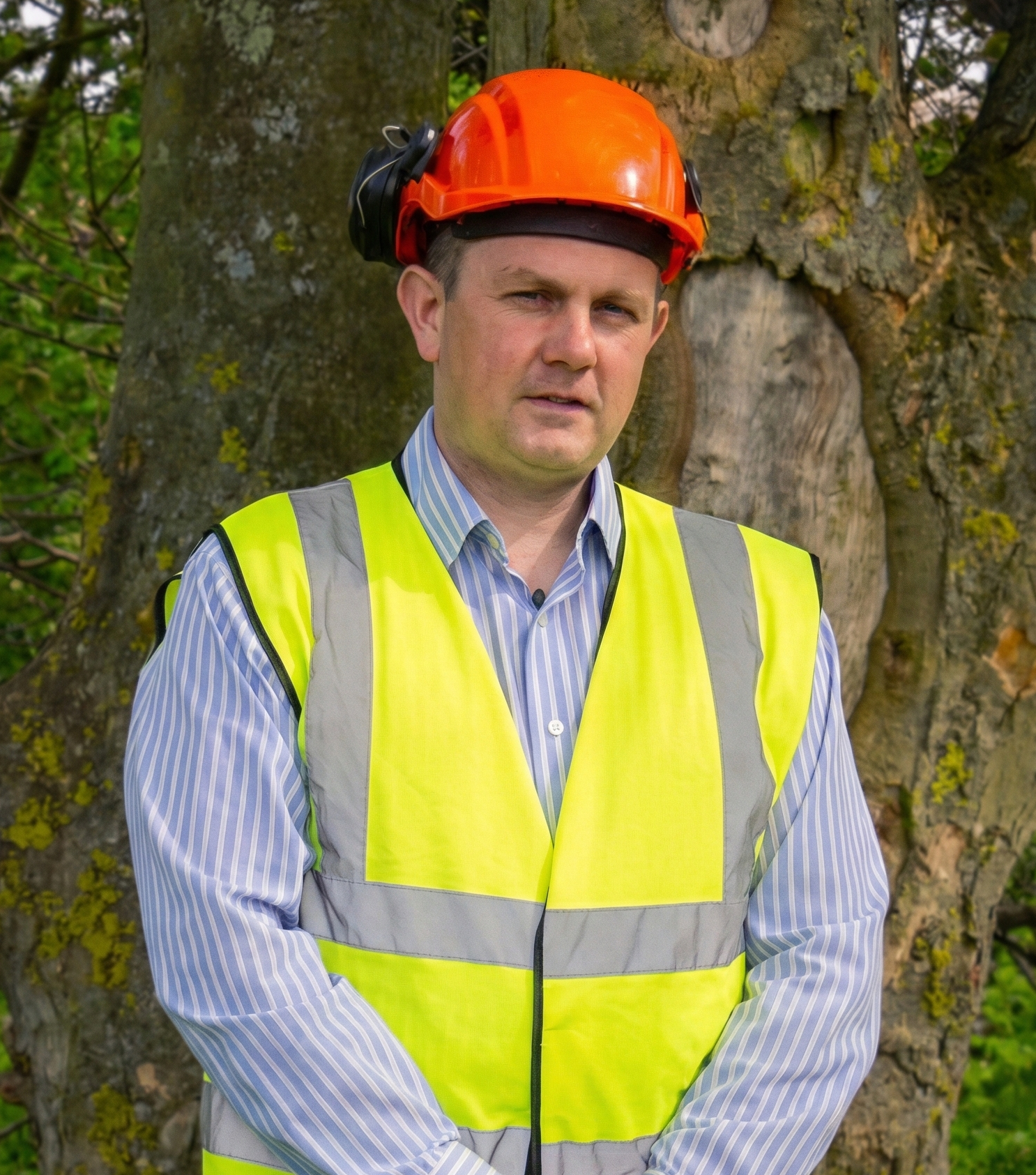
On 10 September 2026, Lewes Town Council unanimously adopted a Rights of Trees Charter, placing trees, woodlands and hedgerows at the centre of a new local statement of stewardship.
The initiative is significant, but the legal distinction matters. The Charter does not turn trees into legal persons and does not replace planning, highways, property or safety law. Its practical significance is as an ethical and policy framework encouraging better-informed decisions.
Why Arbor Cultural supports the principle
Arboriculture works best when a tree is treated as a living organism operating on a long timescale, not simply as an object on a site plan. Soil, roots, water, crown space, habitat, age and future growth all influence whether a retained tree can continue to thrive.
That principle is consistent with good professional practice: establish the evidence, understand the tree’s requirements, identify the human objective and design or manage proportionately.
A right to flourish asks more than simple retention
A tree can remain standing after construction and still be compromised by severed roots, compacted soil, altered drainage, restricted crown space or repeated pressure for future pruning. Counting a retained stem is not the same as creating a viable long-term relationship.
A BS5837 tree surveys and Arboricultural Impact Assessments give development teams a practical way to consider those issues before building begins.
The precautionary principle should mean better evidence
Where a mature tree has suspected decay, uncertainty should not automatically mean removal. Diagnostic tools such as ArboTom sonic tomography and targeted resistance testing can provide additional evidence when a visual inspection cannot resolve an important structural question.
The same principle works in the opposite direction: sentimental value should not be used to ignore credible risk. Evidence supports retention when it is reasonable and intervention when it is genuinely necessary.
What the Charter does not change
Existing statutory controls remain in force. TPOs, conservation-area requirements and the established planning process continue to govern relevant tree works and development. The Town Council can use the Charter’s principles in its own work and representations, but the Charter is not a new stand-alone planning veto.
Keeping that distinction clear strengthens the initiative. It allows supporters to argue for better stewardship without overstating the legal effect of the document.
From protection to stewardship
The most valuable shift may be from asking only whether a tree is felled to asking whether it has the conditions to remain valuable for decades. Future veteran trees need soil, space and continuity now. Construction protection, inspection regimes, succession planting and proportionate diagnostics all contribute.
Arbor Cultural supports that evidence-led approach. Trees deserve serious consideration, and necessary intervention should be held to the same professional standard of evidence.
Practical Next Step
For development, protected-tree or tree-condition work in Lewes and East Sussex, Arbor Cultural can provide independent arboricultural evidence that supports proportionate decisions and long-term tree stewardship.
Relevant Arbor Cultural Services
Continue with the service most closely related to this guidance:
Frequently Asked Questions
Clear answers to common questions related to this subject.
Did Lewes give trees legal personhood?
No. The Charter is an ethical and policy framework and does not create legal personhood for trees or replace existing statutory law.
Does the Charter stop necessary tree work?
No. Published explanations of the initiative state that it does not prevent necessary tree works; its focus is stewardship and better-informed decision-making.
Will it affect planning applications?
The Town Council can use the Charter’s principles when considering and commenting on matters affecting trees. Statutory planning decisions continue within the established planning framework.
Authoritative Sources & Further Reading
Arbor Cultural Service Coverage
Arbor Cultural provides BS5837 Planning Consultancy and related arboricultural consultancy across London and mainland South East England.
London
Coverage includes the City of London and all 32 London boroughs, with project work across Central, North, East, South and West London.
South East counties
Berkshire, Buckinghamshire, East Sussex, Hampshire, Kent, Oxfordshire, Surrey and West Sussex, including Lewes, Sevenoaks, Tunbridge Wells, Brighton, Guildford, Winchester, Oxford, Reading and surrounding districts.
Who we support
Homeowners, architects, developers, engineers, landowners, property professionals, insurers and organisations requiring independent arboricultural evidence.
For project-specific advice, you can contact Arbor Cultural or send your drawings and requirements through our online quotation form.