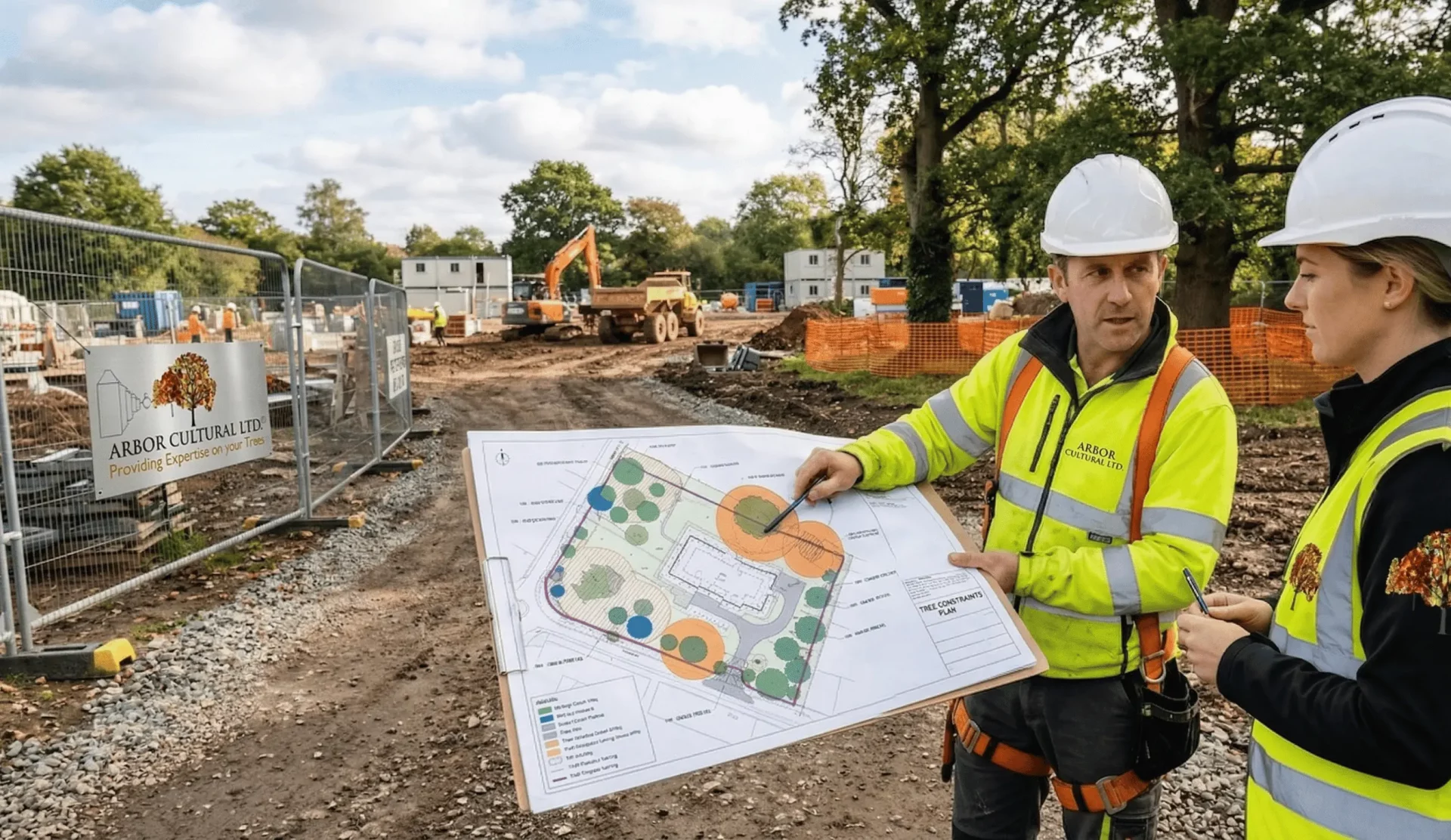
Arboricultural innovation · Environmental responsibility

A better future for tree management

Arbor Cultural combines professional judgement, scientific evidence and intelligent digital practice to help clients understand, protect and manage trees as valuable living infrastructure. Our vision is practical: safer sites, better-informed decisions, stronger urban forests and development that works with trees rather than treating them as an afterthought.

Evidence-led Digitally informed Independent advice
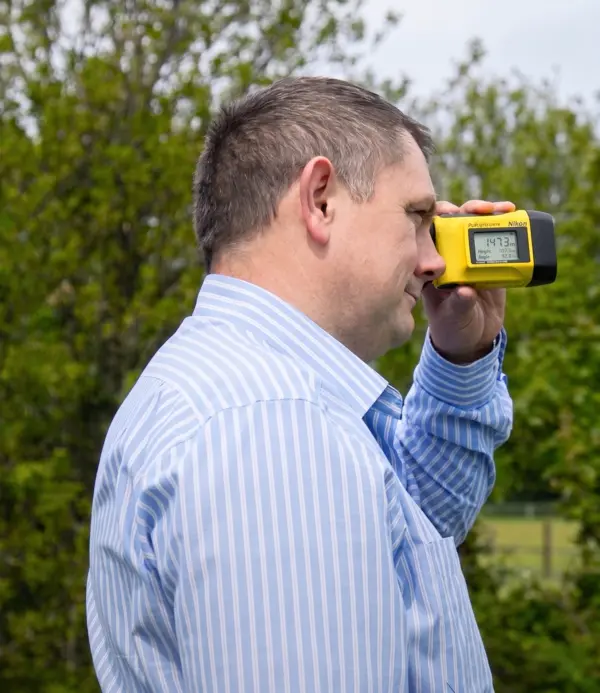
Arbor Cultural consultant carrying out a professional tree inspection
Looking beyond the immediate report Every recommendation should support safety, planning, tree retention and the long-term quality of the site.
Our purpose

Sustaining urban forests through arboricultural excellence

Our role is not simply to identify defects or produce documents. It is to help people make balanced, defensible decisions that protect life, property, development value and the long-term contribution of trees.

Trees are active natural infrastructure. A well-positioned and well-managed canopy can improve the character of a place, intercept rainfall, moderate summer temperatures, support wildlife, filter airborne pollution and make streets, gardens and commercial landscapes more comfortable to use. These benefits are often discussed in broad environmental terms, but they also have direct practical relevance to planning, asset management, construction and public safety.

Arbor Cultural’s vision is to make those benefits easier to understand and easier to retain. We translate complex tree information into clear professional advice for developers, architects, engineers, local authorities, property professionals and private homeowners. That means explaining both the opportunities and the constraints presented by trees, rather than approaching every site from a position of either automatic removal or uncritical preservation.

Good arboriculture requires proportionate judgement. A mature tree may be a valuable landscape asset, but it must still be assessed in relation to its condition, surroundings and foreseeable use of the site. Equally, the presence of a defect does not automatically mean that removal is the only responsible response. By collecting the right evidence and considering the wider context, we can often identify management options that reduce risk while retaining meaningful canopy cover.
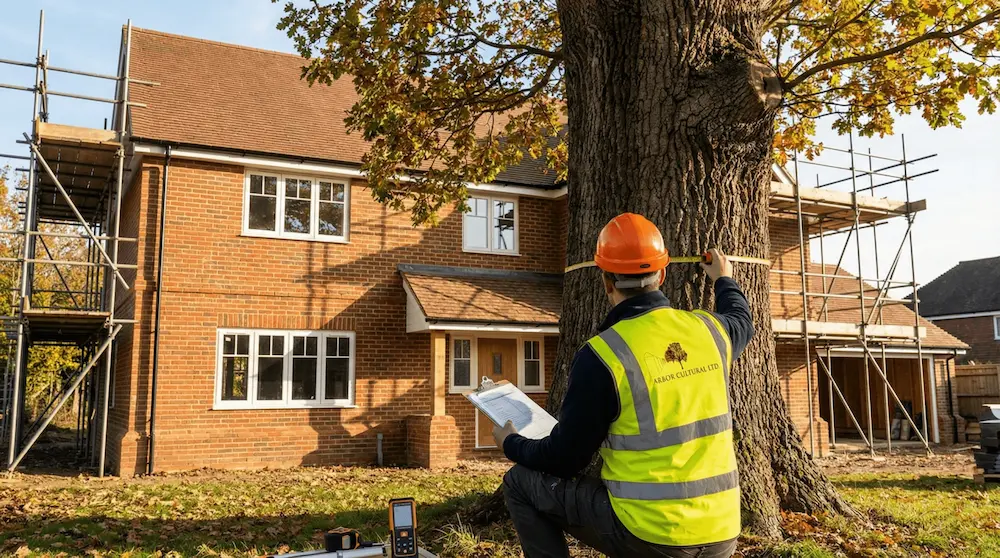
Professional BS 5837 tree survey and site assessment
Trees as measurable assets

Clear data helps project teams recognise environmental, social, landscape and operational value before design decisions become difficult or expensive to change.

Why trees matter

Managing trees for benefits that reach far beyond the boundary

Professional tree management is most effective when it considers how individual trees contribute to the wider site, neighbourhood and landscape. Our advice recognises four connected areas of value.

Water and climate resilience

Tree canopies intercept rainfall and root systems help water move through soil. On suitable sites, this can support drainage strategies, reduce surface-water pressure and contribute to more resilient places during intense rainfall and hotter summers.

Health and wellbeing

Accessible green space and mature canopy can improve visual amenity, encourage outdoor activity and make homes, workplaces and public spaces feel more settled. These qualities influence how people experience and value a place.

Development quality

Early tree information gives design teams a reliable basis for layout planning. It can reveal opportunities for retention, highlight root protection requirements and reduce late redesign, planning uncertainty and avoidable conflict during construction.

Responsible risk management

Regular, proportionate inspection supports the duty of care owed by tree owners and managers. The aim is not to eliminate every theoretical risk, but to identify material concerns and recommend sensible action informed by evidence.

Science in daily practice

Technology that strengthens professional judgement

Technology is most valuable when it improves the quality, traceability and usefulness of professional advice. It should support careful inspection rather than replace it. Arbor Cultural uses digital systems and specialist diagnostic methods to obtain better information, manage it consistently and present it in a form that clients can act upon.

Cloud-based tree information

Structured digital records make it easier to map, identify and monitor trees across individual properties, development sites and larger portfolios. Information can be updated efficiently, linked to plans and photographs, and shared with the people responsible for design, maintenance or risk management. This creates a more dependable record than disconnected notes and static documents alone.

Advanced decay detection

Where a visual inspection identifies uncertainty, specialist diagnostic equipment can help investigate internal condition without relying solely on assumptions. Appropriate testing may support decisions about retention, pruning, monitoring or removal. Used correctly, this can prevent unnecessary work while ensuring that significant structural concerns are not overlooked.

Soil and rooting-zone assessment

Tree condition is closely connected to the soil environment. Compaction, restricted rooting space, level changes and construction activity can all influence vitality. Diagnostic assessment and specialist decompaction methods can help identify practical ways to improve soil conditions, protect roots and support the future performance of retained trees.

Digital arboriculture

Connecting tree information with the wider design, construction and asset-management process.

Pioneering digital practice

Bringing tree data into the development conversation

Arbor Cultural’s founder, Tom Thompson, has long supported the advancement of digital working within arboriculture. His involvement in establishing the Building Information Modelling for Arboriculture group, BIM4Arb, helped create a focused forum for exploring how tree information could be better integrated with modern design and construction processes. That work has developed into the wider Digital Arboriculture Practice group.

The purpose is straightforward: tree information should not sit separately from the rest of a project. When survey data, constraints, recommendations and future-management requirements are represented clearly within the digital workflow, architects, engineers, planners, contractors and asset managers can make better coordinated decisions.

This approach supports continuity from initial site appraisal through planning, detailed design, construction and long-term occupation. It also helps ensure that important tree information remains visible when teams change, drawings are revised or responsibility passes from the development stage to the people who will ultimately manage the completed place.

  • Clearer multidisciplinary coordination
  • More consistent project information
  • Improved construction-stage visibility
  • Better long-term asset records
Arbor Cultural tree education and community outreach presentation
Education and advocacy

Inspiring a more informed next generation

Better tree management depends on more than professional reports. It also depends on people understanding why trees matter, how they function and what responsible care looks like. Arbor Cultural supports public understanding through presentations, professional discussion, digital media, corporate engagement and opportunities to introduce tree knowledge to younger audiences.

Schools offer a particularly valuable setting for this work. Trees can make biology, environmental science, geography, climate adaptation and local history tangible. Pupils can observe seasonal change, identify species, consider habitats, measure tree form and explore how the built and natural environments interact. These practical experiences can turn abstract subjects into something immediate and memorable.

“The strongest future for our urban forests will be created by people who understand both their value and the practical responsibility involved in caring for them.”

Today’s pupils will become tomorrow’s homeowners, designers, engineers, planners, land managers and decision-makers. Giving them accurate, engaging information about trees can influence the choices they make throughout adult life. For Arbor Cultural, advocacy is therefore not separate from consultancy; it is part of building a culture in which sound tree management is expected, understood and valued.

The principles behind our work

A vision expressed through everyday decisions

Our values are most meaningful when they influence the way surveys are scoped, evidence is interpreted, recommendations are written and clients are supported.

01

Evidence before assumption

Recommendations should be based on the condition of the tree, the context of the site and the purpose of the instruction. Where uncertainty is material, further investigation should be proportionate and clearly explained.

02

Retention where reasonable

Healthy and valuable trees should not be lost simply because they are inconvenient to an early design. Timely arboricultural input can reveal ways to retain canopy while still meeting practical development objectives.

03

Clear communication

Technical accuracy matters, but so does usability. Reports should help the intended reader understand the issue, the evidence, the recommended action and the consequences of delay or change.

04

Proportionate risk management

Responsible advice distinguishes material concerns from low-level defects and normal biological features. This helps clients direct resources towards actions that make a meaningful difference.

05

Collaborative project working

Tree constraints are best resolved when arboricultural advice is coordinated with architecture, engineering, drainage, landscape and construction planning rather than added after key decisions have already been made.

06

Long-term thinking

A successful outcome is not merely obtaining consent or completing a survey. It is leaving the client with a practical route for protecting, monitoring and managing trees throughout the future life of the site.

Questions about our approach

What our vision means in practice

Our environmental aims are delivered through professional, commercially useful advice rather than broad promises. These answers explain how that approach affects client work.

No. Independent consultancy requires balanced advice. Retention may be appropriate where a tree is healthy, valuable and compatible with the site, but removal can be justified where condition, location, risk or project requirements make it the responsible option. The aim is to reach a defensible decision based on evidence.

Digital tools can improve mapping, record-keeping, photographic evidence, collaboration and long-term monitoring. Specialist diagnostic equipment can also provide additional information where internal condition or rooting-zone concerns cannot be resolved through visual inspection alone. Technology supports professional judgement; it does not replace it.

Early advice allows the project team to understand tree quality, root protection requirements and likely planning considerations before the layout is fixed. This creates more opportunity to resolve constraints intelligently and reduces the risk of redesign, delay or conflict later in the process.

It means clearer, better-connected information. Tree data can be coordinated with plans, project records and asset-management systems so that important requirements remain visible from survey and design through construction and future occupation.

Work with Arbor Cultural

Make your next tree decision a better-informed one

Whether you are planning development, managing a property portfolio, investigating tree condition or reviewing long-term landscape responsibilities, Arbor Cultural can provide clear independent advice shaped around the needs of your site.