WHY YOU NEED A BS5837 TREE SURVEY
FOR PLANNING PERMISSION

PLANNING & DEVELOPMENT 2026

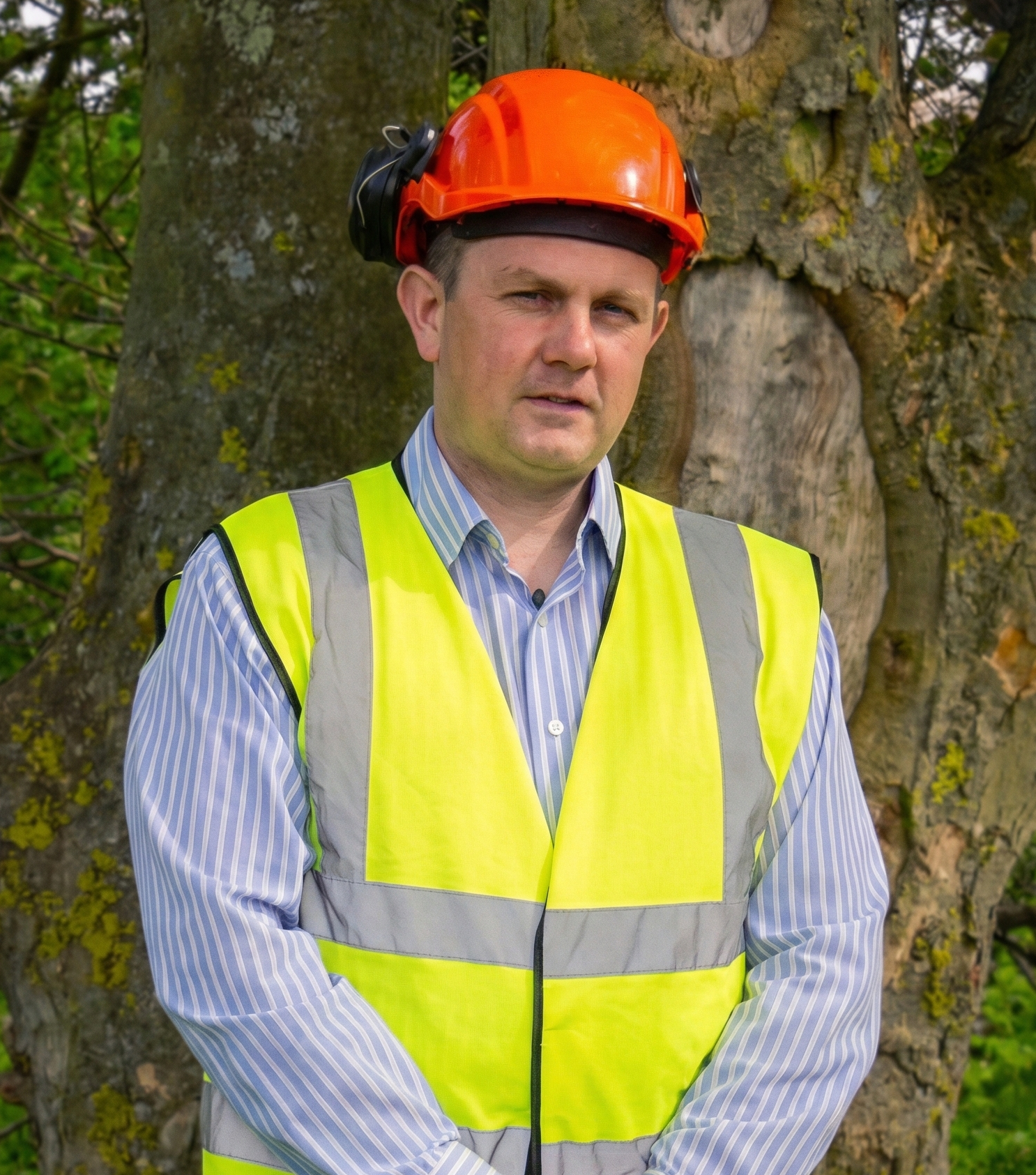
By Tom Thompson BSc Arb MSc eFor MArborA
Technical Requirement • Planning Policy

Why You Need a BS5837 Tree Survey for Planning Permission

If you are preparing a planning application and there are trees on or near your site, the requirement for a professional BS5837 survey is virtually certain.

In the Southeast wealth belt—where local planning authorities in Surrey, Sussex, and London maintain some of the strictest arboricultural standards in the UK—this document is far more than a box-ticking exercise. It is a technical necessity that allows planning officers to understand the complex biological interaction between your architectural vision and the existing tree stock, both above and below the soil line.

Whether you are pursuing a modest residential extension, a commercial property conversion, or a large-scale housing development, trees influence the viability of your application in ways that are rarely obvious to the untrained eye. Engaging an expert consultant for a BS5837 Survey early ensures these constraints become design opportunities rather than grounds for refusal.

What is a BS5837 Tree Survey?

The survey is conducted to ensure absolute compliance with British Standard 5837:2012—Trees in Relation to Design, Demolition, and Construction. This is an official record of all specimens within the influencing distance of your proposed works.

An experienced arboricultural consultant visits the site to record the main constraints for each tree, mapping out the physical and biological boundaries that will dictate the viability of your planning application.
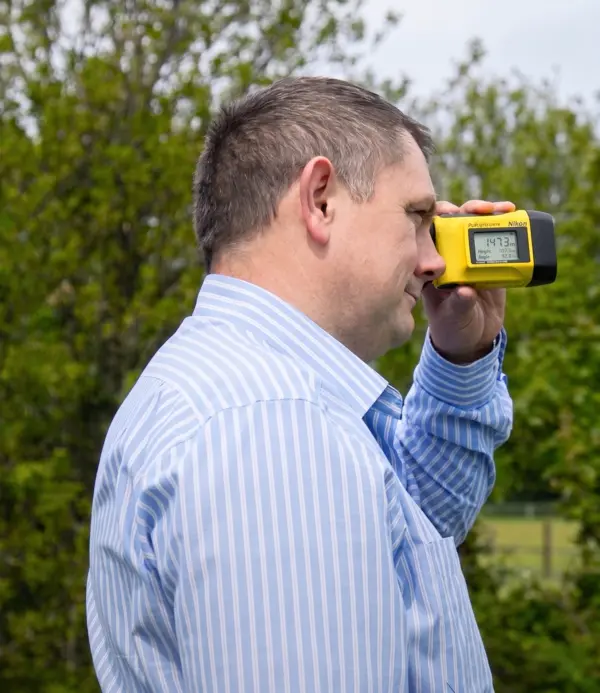
Arboricultural Consultant performing a BS5837 tree survey for planning permission

Diagnostic Attributes

  • Species and physiological health
  • Canopy spread and height
  • Trunk diameter and age class
  • Structural integrity and safety

Planning Constraints

  • Root Protection Area (RPA) calculations
  • Categorisation (A, B, C or U)
  • Future growth and shading impacts
  • Conflict modelling with infrastructure

These details are utilised to create a Tree Constraints Plan, which superimposes the tree information on your site design. This assists in determining which trees can be kept, which should be removed, and how best to design around them responsibly to ensure a smooth path through the planning process.
Why Do Planning Authorities Ask for It?

Local Planning Authorities (LPAs) across the Southeast are under a statutory duty to consider the impact of development on trees. This is not merely a preference; it is a legal framework designed to protect the character and biodiversity of our regional landscape.

Protected Status Criteria

Councils focus their scrutiny on specific high-value assets during the application process:

  • Trees covered by Tree Preservation Orders (TPO)
  • Specimens within designated Conservation Areas
  • Ancient or veteran trees with high heritage value
  • Trees possessing specific local biodiversity character

Boundary & Off-Site Impact

The survey must also account for trees that reside outside your immediate property line:

  • Trees on adjoining property close to the boundary
  • Shared hedgerows and communal woodland belts
  • AIA coverage for overhanging crown spreads
  • Root Protection Areas crossing legal property lines
Without a professional BS5837 survey, planning officers are unable to adequately assess the arboricultural implications of your proposal. In the majority of cases, applications in Surrey, Sussex, and Kent will be declared invalid or rejected outright if the technical data is incomplete or absent.

Common Planning Scenarios

Even if your proposal is relatively small, the presence of trees can make a professional survey necessary. In our experience across the Southeast, the following scenarios almost always trigger a requirement for a BS5837 report:

Residential Extensions

New house extensions designed in close proximity to veteran trees or protected garden specimens.

New Developments

Housing projects on previously undeveloped land or large garden plots with established canopy cover.

Rural Conversions

Barn or outbuilding conversions located within falling distance of woodland or ancient hedgerows.

Public Infrastructure

School, care home, or commercial extensions where trees form part of the site’s essential character.

10% Biodiversity Net Gain

The Impact of Pre-Application Removal

A standard query from developers is whether trees can be removed prior to submission to simplify the process. While removal of unprotected, poor-quality trees is permissible, extensive clearance triggers immediate red flags for Local Planning Authorities.

Crucially, Biodiversity Net Gain (BNG) legislation now requires a 10% increase in biodiversity. Tree removal has become significantly more problematic under these rules, as the natural capital lost must be mitigated with high-quality replanting. Professional advice is essential before any site clearance begins.

Can You Build Within a Root Protection Area?

The Root Protection Area (RPA) is a specifically designed zone around each tree that must be protected from excavation, soil compaction, and general disturbance. While the general rule is to avoid these areas, technical innovation often allows for specialized construction within them.

Specialist Engineering Techniques

Building within an RPA is possible when supported by a robust Arboricultural Method Statement and structural specialist design. We utilize several techniques to minimize the impact on the tree's biological viability:

  • No-Dig Surfacing
  • Suspended Foundations
  • Cantilevered Structures
  • Piled Foundation Design

These solutions require a high level of professional oversight and must be clearly explained within your planning applications to ensure council acceptance.

Shade, Light and Future Growth

A professional BS5837 survey also considers the future dynamics of the site. It is not just about the current footprint; it is about the long-term interaction between the property and its environment.

Will the tree cast excessive shade over primary living rooms? Will the growth pattern impact the building's structural integrity in a decade? Would roots interfere with future utilities? Early engagement allows us to address these issues before they become expensive planning hurdles.

Secure Your Planning Success

Early engagement with a tree consultant can address potential site conflicts before they become ingrained in your architectural plans. A professional BS5837 survey is the most efficient way to ensure a smooth planning process and a sustainable site design.

As members of the Arboricultural Association, Arbor Cultural Ltd provides the technical authority and genuine site care required to satisfy council tree officers across Surrey, Sussex, and London. We ensure your trees remain an asset to your property through expert planning and management.